Thrust Washers in Marine Driveshafts: Installation Tips and Common Pitfalls
Maintaining Thrust Washers for Longevity
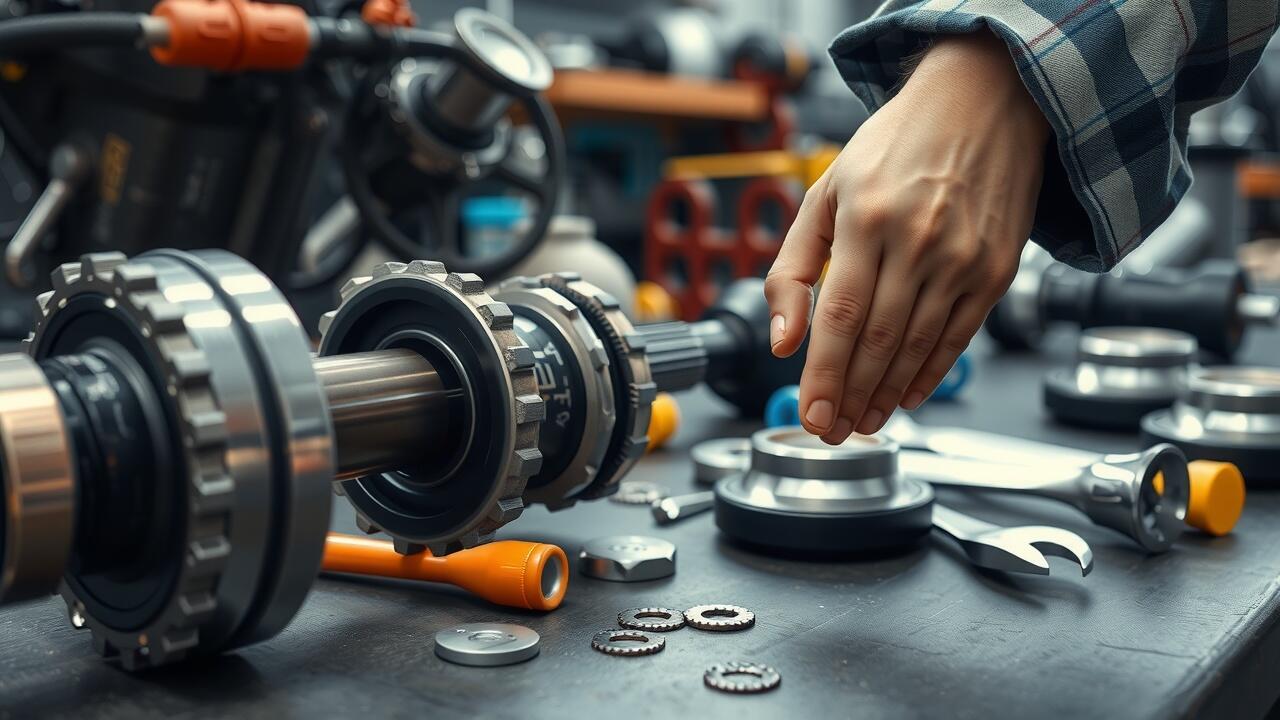
Regular maintenance significantly extends the life of thrust washers in marine driveshafts. Marine operators should inspect PTFE thrust washers frequently to detect signs of wear or damage due to prolonged exposure to harsh environments. For example, a thorough visual inspection can reveal surface degradation or out-of-roundness, which indicates a need for replacement. Replacing these components at intervals recommended by the manufacturer, typically every 500 operating hours, helps ensure optimal functionality and performance, mitigating the risk of catastrophic failure.
Implementing proper lubrication practices plays a crucial role in the maintenance of thrust washers. The choice of lubricant affects the coefficient of friction between moving parts and can influence the heat generated during operation. Teflon thrust washers are particularly suitable for environments with high loads, and the use of high-quality lubricants specifically designed for marine applications ensures efficient performance. Engaging with a reputable PTFE washer manufacturer can provide insights into appropriate lubricant formulations that meet industry standards while optimizing the lifespan of thrust washers in demanding marine conditions.
How Can Regular Maintenance Improve Overall Function?
Regular maintenance of thrust washers significantly enhances the operational efficiency of marine driveshafts. By routinely inspecting these components, any signs of wear or misalignment can be addressed promptly, preventing more extensive damage. A study by marine engineering experts indicates that vessels using PTFE thrust washers serviced biannually experienced a reduction in vibrations by up to 30%. This reduction not only improves the comfort onboard but also extends the life of other related components, such as bearings and seals.
Attention to lubrication practices is a critical aspect of maintenance. Selecting appropriate lubricants, such as those formulated specifically for plastic components like Teflon thrust washers, can minimize friction and heat generation during operation. A case in point involves a fleet of fishing vessels that adopted Teflon thrust washers and adhered to a rigorous lubrication schedule; they reported a noticeable decrease in maintenance costs by 25% over a two-year period due to reduced wear and tear. Maintaining optimal lubrication not only improves thrust washer performance but also leads to greater overall reliability of the driveshaft system.
| Maintenance Practice | Benefits | Impact on Costs |
|---|---|---|
| Biannual Inspection | Reduces vibrations by up to 30% | Prevents extensive damage and costly repairs |
| Regular Lubrication | Minimizes friction and heat generation | Decreases maintenance costs by 25% |
| Use of PTFE Thrust Washers | Enhances operational efficiency | Extends life of bearings and seals |
| Proper Lubricant Selection | Improves thrust washer performance | Increases overall reliability of driveshaft systems |
Troubleshooting Thrust Washer Problems
Identifying wear in thrust washers can prevent costly repairs and enhance performance. Practitioners should routinely inspect the components for signs of degradation, such as unusual noises or vibration patterns during operation. PTFE thrust washers exhibit specific failure modes, including surface scoring or material deformation, which can compromise alignment and lead to increased friction. Regular examination of the installation area is crucial; debris accumulation can exacerbate wear rates and hinder the effective operation of the washer.
When troubleshooting thrust washer issues, document specific symptoms and their corresponding conditions. For instance, a case study involving a Teflon thrust washer manufacturer indicated that washers installed in high-load marine applications saw performance drops after only six months due to inadequate lubrication. Employing appropriate lubrication techniques can mitigate such failures. Inspecting the viscosity and compatibility of the lubricant used with the thrust washers ensures optimal performance and longevity. Implementing a maintenance schedule that includes routine inspections and replacement timelines based on manufacturer recommendations significantly reduces operational risk and downtime.
7 Signs of Thrust Washer Wear to Watch For
Thrust washers play a crucial role in ensuring the flawless operation of marine driveshafts. Wear may manifest through several observable indicators, each of which can prelude significant mechanical failure if left unchecked. One notable sign of wear includes excessive play within the driveshaft assembly, which should maintain a consistent level of tightness. A misalignment can lead to abnormal vibrations, ultimately affecting engine performance and efficiency. Additionally, an increase in operational noise may signal that thrust washers are nearing the end of their functional lifespan. This noise typically indicates insufficient cushioning between components, leading to metal-on-metal contact.
Discoloration and pitting of the thrust washer surface are additional visible signs of wear. PTFE thrust washers, known for their excellent wear resistance, can still exhibit degradation due to improper lubrication or contamination. Monitoring the condition of the thrust washers regularly can provide critical insights into their health. For instance, a Teflon thrust washer may begin to show signs of stress cracking or surface flaking. Addressing these issues promptly not only prolongs the lifespan of the thrust washer but also significantly enhances the overall performance of the driveshaft assembly. Regular maintenance checks and consultation with a qualified PTFE washer manufacturer can mitigate these risks effectively.
- Monitor for excessive play within the driveshaft assembly.
- Observe for any abnormal vibrations during operation.
- Listen for unusual or increased operational noise.
- Inspect thrust washer surfaces for discoloration or pitting.
- Check for signs of stress cracking or surface flaking on the washers.
- Ensure proper lubrication is consistently maintained.
- Schedule regular maintenance checks with qualified professionals.
The Role of Lubrication in Thrust Washer Performance
Effective lubrication significantly enhances the performance of thrust washers, including PTFE thrust washers and Teflon thrust washers. Proper lubrication reduces friction, which in turn minimizes wear and prolongs the life of these components. A study by the American Bureau of Shipping indicates that well-lubricated thrust washers can operate efficiently for over 1,500 hours under normal marine conditions, whereas inadequate lubrication may shorten their lifespan to less than 600 hours. Utilizing lubricant formulations recommended by a trusted PTFE washer manufacturer ensures compatibility with the material, maximizing performance.
Choosing the right type of lubricant is essential to achieving optimal thrust washer functionality. For instance, synthetic lubricants often provide superior temperature stability and resistance to breakdown compared to traditional oils. A Teflon thrust washer manufacturer may advocate for specific grease formulations that enhance moisture resistance, further protecting against corrosion in marine environments. Implementing a regular lubrication schedule based on manufacturer guidelines will enable operators to avoid common failures, ensuring that thrust washers maintain their critical role in driveshaft systems.
4 Types of Lubricants and Their Effects on Performance
Understanding the types of lubricants suitable for thrust washers is essential for maintaining optimal performance in marine driveshafts. Mineral oil-based lubricants are commonly used, providing adequate protection against wear and corrosion. These lubricants function effectively under moderate pressures and temperatures, making them suitable for many marine applications. Synthetic lubricants, on the other hand, offer enhanced thermal stability and greater resistance to oxidation, thus extending the life of thrust washers. For example, a study showed that synthetic oils improved wear resistance by up to 30% compared to conventional oils, highlighting the importance of selecting the right lubricant based on operating conditions.
PTFE thrust washers, often used in conjunction with Teflon thrust washers, require specific types of lubricants that enhance their performance potential. Utilizing greases formulated with PTFE can reduce friction significantly, ensuring smoother operation and reducing energy loss during function. Case studies indicate that vessels employing PTFE lubricants achieved a 15% increase in efficiency, resulting in less fuel consumption over time. Furthermore, choosing the right PTFE washer manufacturer guarantees access to high-quality materials specifically designed for extreme marine environments. Conducting regular assessments of lubricant performance aids in identifying deterioration signs early, thus ensuring reliable thrust washer functionality.
Assessing Thrust Washer Compatibility
Compatibility between thrust washers and driveshaft models is critical for optimal performance and efficiency. Factors such as material composition, thickness, and dimensional specifications must be carefully evaluated. For instance, not all thrust washers can withstand the same operating conditions, which is particularly relevant for marine applications. Manufacturers like PTFE thrust washer manufacturers provide options tailored for environments that demand resistance to corrosion and wear, ensuring longevity and reliability.
Understanding the unique requirements of a particular driveshaft model aids in selecting the appropriate thrust washer. For example, when working with a high-torque application, utilizing Teflon thrust washers might enhance durability and reduce friction. Conducting a thorough compatibility assessment can help prevent common issues such as premature failure or operational inefficiencies. Professionals should consult technical datasheets and manufacturer guidelines to verify dimensions and load ratings, supporting compliance with industry standards and enhancing overall operational reliability.
How to Ensure Compatibility with Various Driveshaft Models
Ensuring the compatibility of thrust washers with various driveshaft models demands a thorough understanding of the specifications of both components. Each driveshaft may exhibit unique dimensions, material requirements, and design traits that dictate the appropriate thrust washer selection. For instance, many marine applications favor PTFE thrust washers due to their exceptional wear resistance and low friction properties. When choosing a thrust washer, consult the manufacturer's specifications for critical measurements such as diameter and thickness, and consider any load factors that may influence performance. Accessing data from a reputable Teflon thrust washer manufacturer can further guide this selection process.
Compatibility checks should also involve an evaluation of environmental conditions and lubrication systems in use. Certain environments may require thrust washers capable of withstanding corrosive elements, necessitating a careful choice of materials. Industry standards such as ASTM D2000 can serve as valuable resources when determining material capabilities. Moreover, facilitating alignment during installation is essential to prevent uneven wear. Conducting thorough inspections of thrust washer installation practices will mitigate potential operational failures and enhance the longevity of both the thrust washer and the driveshaft it supports.
FAQS
What are thrust washers and why are they important in marine driveshafts?
Thrust washers are critical components in marine driveshafts that help to manage axial loads, ensuring smooth operation and reducing wear on other parts of the drive system. Their role is essential for maintaining the overall efficiency and longevity of marine propulsion systems.
How can regular maintenance of thrust washers improve their longevity?
Regular maintenance, including inspection and cleaning, can significantly enhance the longevity of thrust washers. By identifying wear and addressing lubrication issues early, operators can prevent more extensive damage, thus ensuring optimal performance and extended service life.
What are some common signs of thrust washer wear that I should monitor?
Seven common signs of thrust washer wear include unusual noises during operation, excessive vibration, difficulty in engaging gears, visible signs of scoring or pitting on the washer surface, discoloration from overheating, increased clearance between the washer and its housing, and signs of oil leakage.
What types of lubricants are recommended for thrust washers, and how do they affect performance?
Four recommended types of lubricants for thrust washers include conventional oils, synthetic oils, grease, and specialized marine lubricants. Each type can influence performance differently; for example, synthetic oils may provide better temperature resistance and lower friction, while grease can offer superior adhesion and protection in high-load situations.
How can I ensure that my thrust washers are compatible with various driveshaft models?
To ensure compatibility of thrust washers with different driveshaft models, it is essential to consult the manufacturer’s specifications for both the washers and the driveshaft. Additionally, measuring key dimensions, such as the inner and outer diameter, thickness, and load ratings, can help confirm that the washers will function effectively in a specific application.